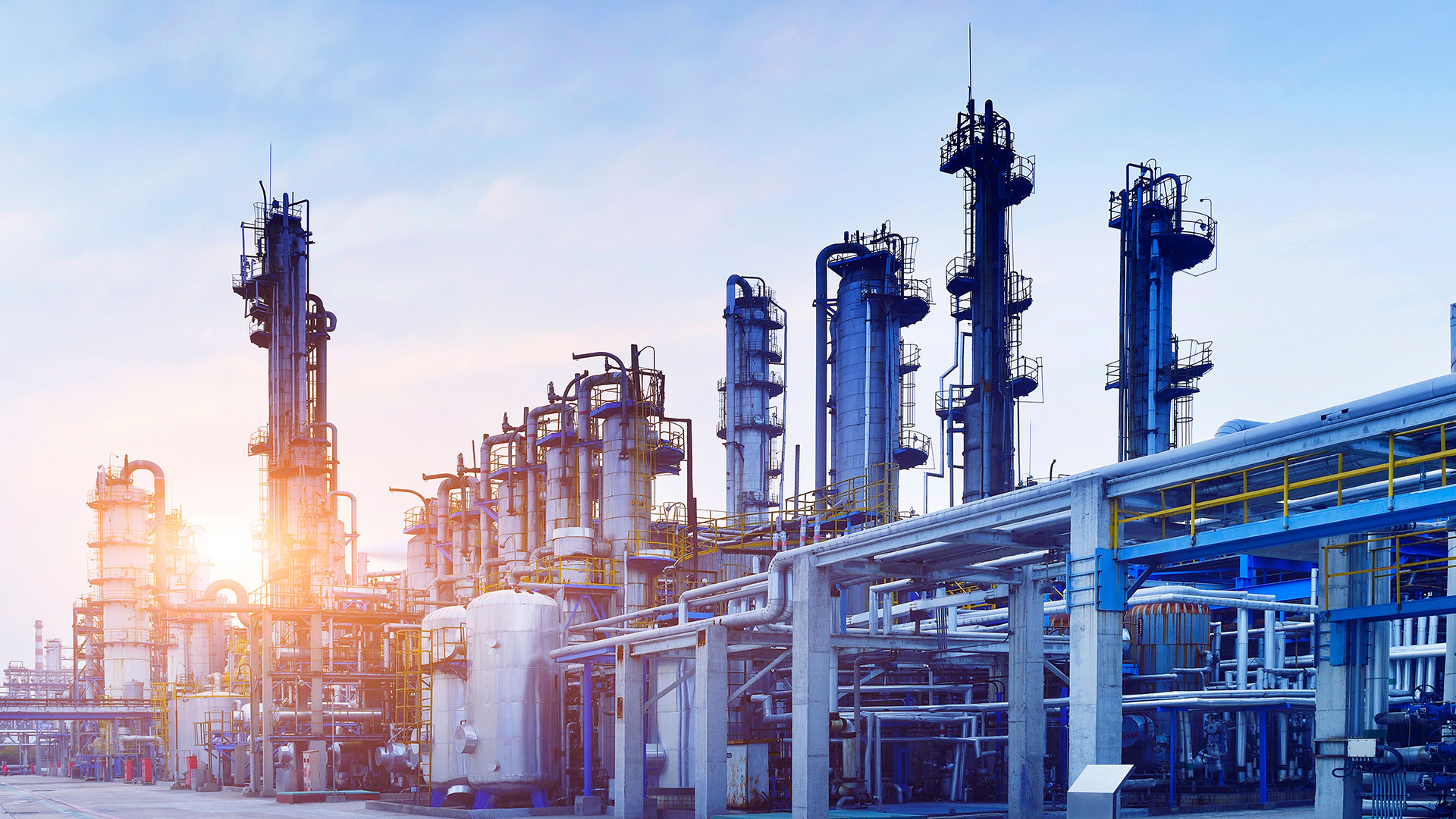
Functional safety in the process industry
Functional safety is an important subarea of overall system safety that must be taken into account during the planning, development, implementation, operation, and even decommissioning of plants in the process industry. This article explains what functional safety means for the process industry and what the most important components are.
Content:
Importance of functional safety in the process industry
The objective of Functional Safety is to ensure the safety of people, the environment, machines, devices and systems. This is done primarily by identifying possible sources of danger and the resulting risk minimization.
Functional safety is an important component of systems used in the process industry as, among other things, automated processes take place here that can pose risks to people, the environment and the plant. Systems in the process industry must be safe and reliable. A malfunction can have serious consequences.
If the functional safety is not fulfilled, this can result in health hazards for people or environmental disasters in the worst case.
Influence of Functional Safety on Industry 4.0
During the ongoing automation and digitazion, functional safety has established itself as an increasingly important component in a wide variety of application areas, and it is no longer possible to imagine the industry without it. Ensuring smooth processes for safety-critical systems is of great importance and has a lasting impact on Industry 4.0.
IEC 61511: Standard for functional safety in the process industry
In the future, more and more automated plants and systems will be used, which must always be tested for safety. Various standards have already been set to increase the safety-relevant systems:
The international standard IEC 61511 provides the standard for safety instrumented systems (SIS) in the process industry. It describes methods and procedures for how these systems must be planned, designed, implemented, operated and maintained in order to minimize risks and ensure safety.
In addition to the IEC 61511 standard, there are other norms and standards that are also used and important for machines in the process industry, for example. Here, too, the aim of these standards is to minimize risks by achieving a high level of safety for machines, devices and systems. These include, for example:
- IEC 61508: This international standard specifies the requirements for the functional safety of safety-related electrical/electronic/programmable electronic (E/E/PE) systems.
- VDI/VDE 2180: National standard for "Functional safety in the process industry". This guideline is based on DIN EN 61511 (VDE 0810) and applies to plants in the process industry, for example in the chemical and petrochemical industries. It represents a proven way of implementing the requirements of the 12th BImSchV (Hazardous Incident Ordinance) for PCE equipment with safety function.
- DIN EN IEC 62061: This standard specifies the requirements for the safety of machinery - Functional safety of safety-related control systems.
- DIN EN ISO 13849: This European standard "Safety of machinery - Safety-related parts of control systems" specifies the requirements for safe operation.
HAZOP-Analysis
HAZOP (Hazard and Operability Study) analysis is a method for identifying hazards and operational incidents in the process industry. It can be used as part of a comprehensive safety management system that also includes the IEC 61511 standard.
Safety Integrity Level (SIL) in Functional Safety
Safety Integrity Level, abbreviated SIL, is a measure in functional safety that describes the probability of failure due to a fault or the risk reduction of a system or a safety-relevant function.
A safety integrity level (SIL) is determined by the combination of various factors such as:
- the probability of occurrence of a hazardous event
- the severity of the damage caused by such an event
- the probability that the safety system or safety-related function will prevent the dangerous event from occurring
- the likelihood that the system or function will operate properly when needed.
There are 4 SIL levels: SIL 1, SIL 2, SIL 3 and SIL 4.
The higher the SIL level, the higher the level of protection against the effects of dangerous events in a plant.
As a general rule, the Safety Integrity Level is used in Functional Safety to define and classify the requirements for the safety of equipment or systems.
Progressive requirements of functional safety
Plant operation in the process industry entails extensive duties and responsibilities for the operator: Processes must be safeguarded against incidents as best as possible, and risks and potential hazards must be reduced to the technically feasible minimum.
The extensive legal requirements and standards are constantly evolving and place unmistakable and ever new obligations on companies and their managers.